
Primary market
Daytona Beach, FL
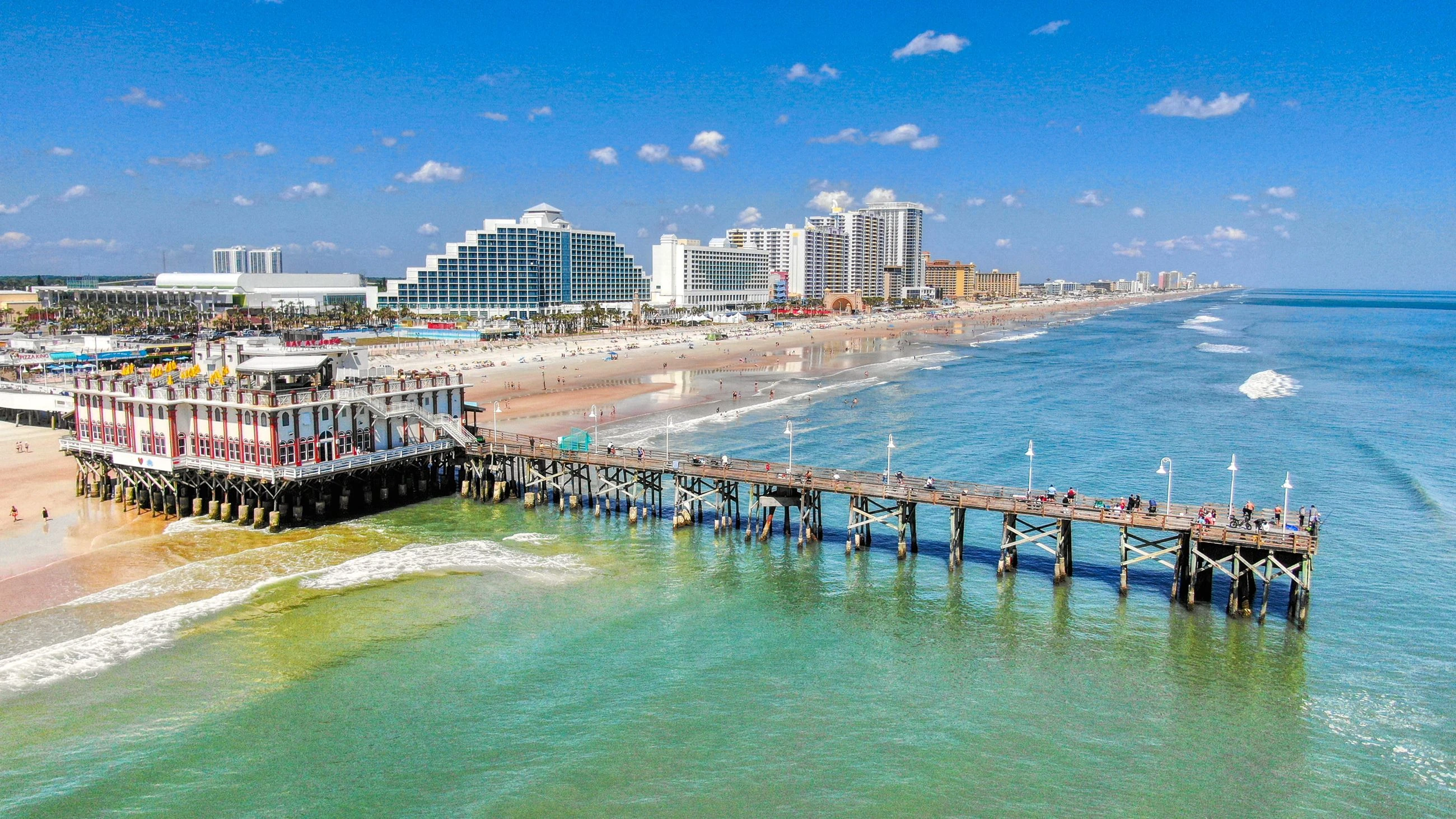
The core demand sits around Ocean Center, the beachfront hotel corridor, and the speedway-airport district, with work also reaching nearby Volusia and Flagler demand nodes.
Daytona Districts
Trade Show Services of Daytona supports locations across the Daytona market with planning, coordination, and venue-aware execution.
Daytona Beach as a trade show city
Daytona Districts
Locations belongs in the plan when the Daytona event map affects arrival windows, storage choices, staff movement, or the handoff back to Ocean Center.
Locations planning is more useful when it explains the local access pattern instead of treating every Volusia and Flagler stop like the same beachside room.
The Daytona Beach meetings section describes the market with 205,000 square feet of meeting space and 23 miles of beaches.
Where Daytona Beach shows actually happen
Locations planning is more useful when it explains the local access pattern instead of treating every Volusia and Flagler stop like the same beachside room.
The right building depends on the show: a consumer expo wants open aisles and broad traffic flow; a corporate conference wants controlled breakout space; a brand activation wants a venue that can carry scenic and production without fighting the architecture.
Who handles what during the Daytona Beach install window
Most of what goes wrong on a Daytona Beach install traces back to assumptions about labor. Staying inside the venue's published rules for the specific show prevents it.
Locations changes the Daytona support map through travel time, guest flow, loading access, hotel rhythm, and the way crews move between the main venue and nearby rooms.
Exhibitor ordering workflows and frames the building as designed to minimize load-in and load-out, with multiple loading docks, self-leveling bays, and pre-approved professional decorators and contractors.
Market Area
Daytona Beach, FL changes the support map through venue timing, drive time, parking, freight approach, and crew movement.
Market Area
Downtown Daytona Beach, FL is useful when the plan needs a sharper read on arrival flow, nearby rooms, and the handoff back to the main show.
Market Area
Beachside Daytona Beach, FL planning keeps local access, hotel rhythm, and field timing visible before the schedule is locked.
Market Area
Midtown Daytona Beach, FL helps compare whether the event belongs in the core, the coast, the speedway corridor, or a quieter support lane.
Market Area
Daytona Beach Shores, FL changes the support map through venue timing, drive time, parking, freight approach, and crew movement.
Market Area
Holly Hill, FL is useful when the plan needs a sharper read on venue timing, nearby rooms, and the handoff back to the main show.
Market Area
Ormond Beach, FL planning keeps local access, hotel rhythm, and field timing visible before the schedule is locked.
Market Area
Ormond-by-the-Sea, FL helps compare whether the event belongs in the core, the coast, the speedway corridor, or a quieter support lane.
Market Area
Ormond Oceanfront, FL changes the support map through beachfront access, drive time, parking, freight approach, and crew movement.
Market Area
Port Orange, FL is useful when the plan needs a sharper read on venue timing, nearby rooms, and the handoff back to the main show.
Market Area
South Daytona, FL planning keeps local access, hotel rhythm, and field timing visible before the schedule is locked.
Market Area
Ponce Inlet, FL helps compare whether the event belongs in the core, the coast, the speedway corridor, or a quieter support lane.
Market Area
New Smyrna Beach, FL changes the support map through venue timing, drive time, parking, freight approach, and crew movement.
Market Area
Canal Street New Smyrna Beach, FL is useful when the plan needs a sharper read on venue timing, nearby rooms, and the handoff back to the main show.
Market Area
Flagler Avenue New Smyrna Beach, FL planning keeps local access, hotel rhythm, and field timing visible before the schedule is locked.
Market Area
Edgewater, FL helps compare whether the event belongs in the core, the coast, the speedway corridor, or a quieter support lane.
Market Area
Oak Hill, FL changes the support map through venue timing, drive time, parking, freight approach, and crew movement.
Market Area
DeLand, FL is useful when the plan needs a sharper read on venue timing, nearby rooms, and the handoff back to the main show.
Market Area
Downtown DeLand, FL planning keeps local access, hotel rhythm, and field timing visible before the schedule is locked.
Market Area
Orange City, FL helps compare whether the event belongs in the core, the coast, the speedway corridor, or a quieter support lane.
Market Area
Deltona, FL changes the support map through venue timing, drive time, parking, freight approach, and crew movement.
Market Area
DeBary, FL is useful when the plan needs a sharper read on venue timing, nearby rooms, and the handoff back to the main show.
Market Area
Lake Helen, FL planning keeps local access, hotel rhythm, and field timing visible before the schedule is locked.
Market Area
DeLeon Springs, FL helps compare whether the event belongs in the core, the coast, the speedway corridor, or a quieter support lane.
Market Area
Palm Coast, FL changes the support map through venue timing, drive time, parking, freight approach, and crew movement.
Market Area
Palm Coast Town Center, FL is useful when the plan needs a sharper read on arrival flow, nearby rooms, and the handoff back to the main show.
Market Area
Flagler Beach, FL planning keeps local access, hotel rhythm, and field timing visible before the schedule is locked.
Market Area
Bunnell, FL helps compare whether the event belongs in the core, the coast, the speedway corridor, or a quieter support lane.
Market Area
Pierson, FL changes the support map through venue timing, drive time, parking, freight approach, and crew movement.
Market Area
Seville, FL is useful when the plan needs a sharper read on venue timing, nearby rooms, and the handoff back to the main show.
Market Area
Daytona Speedway / Airport District, FL planning keeps local access, hotel rhythm, and field timing visible before the schedule is locked.
Market Area
LPGA / West Daytona, FL helps compare whether the event belongs in the core, the coast, the speedway corridor, or a quieter support lane.
Market Area
ONE DAYTONA / Speedway District, FL changes the support map through speedway-airport timing, drive time, parking, freight approach, and crew movement.
Primary market
The core demand sits around Ocean Center, the beachfront hotel corridor, and the speedway-airport district, with work also reaching nearby Volusia and Flagler demand nodes.
Venue anchor
Ocean Center sets the rhythm for many exhibit programs, while nearby hotels, terraces, and off-site venues shape the rest of the planning, labor, and hospitality mix.
Labor positioning
Florida's right-to-work baseline helps frame expectations, but every show still needs current manual review, contractor rules, and venue access decisions.
Location sections matter here because Daytona event work clusters into distinct operating zones. The beachfront convention core behaves differently from the speedway-airport district, and both behave differently from the southern coastal and inland expansion markets that still route through Daytona crews.
The official meeting-market framing matters too: The Daytona Beach meetings section describes the market with 205,000 square feet of meeting space and 23 miles of beaches.. That inventory is spread across rooms with very different loading patterns, guest expectations, and travel logic.
This section compares where an event can live, where overflow might land, and how one program can move across Beachfront Convention Core, Speedway / Airport / ONE DAYTONA, and North Beach / Ormond Corridor without turning the crew schedule into guesswork.
Read it early, while venue fit, hotel blocks, freight arrival, and staff movement are still open questions. Location has more influence over budget and calm show-week execution than most buyers expect.
Planning lens
Useful starting points
Locations belongs in the plan when the Daytona event map affects arrival windows, storage choices, staff movement, or the handoff back to Ocean Center.
Locations planning is more useful when it explains the local access pattern instead of treating every Volusia and Flagler stop like the same beachside room.
The Daytona Beach meetings section describes the market with 205,000 square feet of meeting space and 23 miles of beaches.
Locations belongs in the plan when the Daytona event map affects arrival windows, storage choices, staff movement, or the handoff back to Ocean Center.
The right building depends on the show: a consumer expo wants open aisles and broad traffic flow; a corporate conference wants controlled breakout space; a brand activation wants a venue that can carry scenic and production without fighting the architecture.
Most of what goes wrong on a Daytona Beach install traces back to assumptions about labor. Staying inside the venue's published rules for the specific show prevents it.
Locations planning is more useful when it explains the local access pattern instead of treating every Volusia and Flagler stop like the same beachside room.
Exhibitor ordering workflows and frames the building as designed to minimize load-in and load-out, with multiple loading docks, self-leveling bays, and pre-approved professional decorators and contractors.
Planner questions
Yes. Daytona International Speedway is one of the market's signature event venues, with multiple hospitality and meeting settings called out by the meetings bureau including the DAYTONA 500 Club, Rolex 24 Lounge, Highbanks Suites, Harley J's, and the Bill France Room. Projects at that building are planned against its specific floor rules.
It runs venue by venue. No public venue-wide union-only or non-union-only policy was verified from the current public sections reviewed for Daytona's meeting hotels and off-site venues, so labor promises should stay tied to each show's manual, house provider rules, and venue approvals. Other Daytona Beach venues have their own published rules, and the plan matches the specific building.
Custom builds run best with 16 to 20 weeks of lead time. Rentals take 8 to 12 weeks. Work inside 4 weeks is possible but raises costs and narrows the options.
The show, the venue, the booth number, the dates, and a target budget range. From those, an initial scope and a realistic cost come back within a few days.
One named show-site lead runs the install, the show hours, and the strike. That person carries the floor plan and the punch list from crates to doors and reports up once a day.
Yes — builds are designed for modular reuse unless single-use scenic is specifically required. Same structure, swappable graphics, standard crates. Daytona Beach programs that roll to another city on the same calendar get handled end to end.
The on-site lead handles it. Minor repairs happen in place; anything larger gets sourced from the local shop or rerouted through the venue's service desk.
Ready to brief your project?
Use locations to organize the room, the schedule, and the follow-through before the event week compresses the plan.