
Venue fit
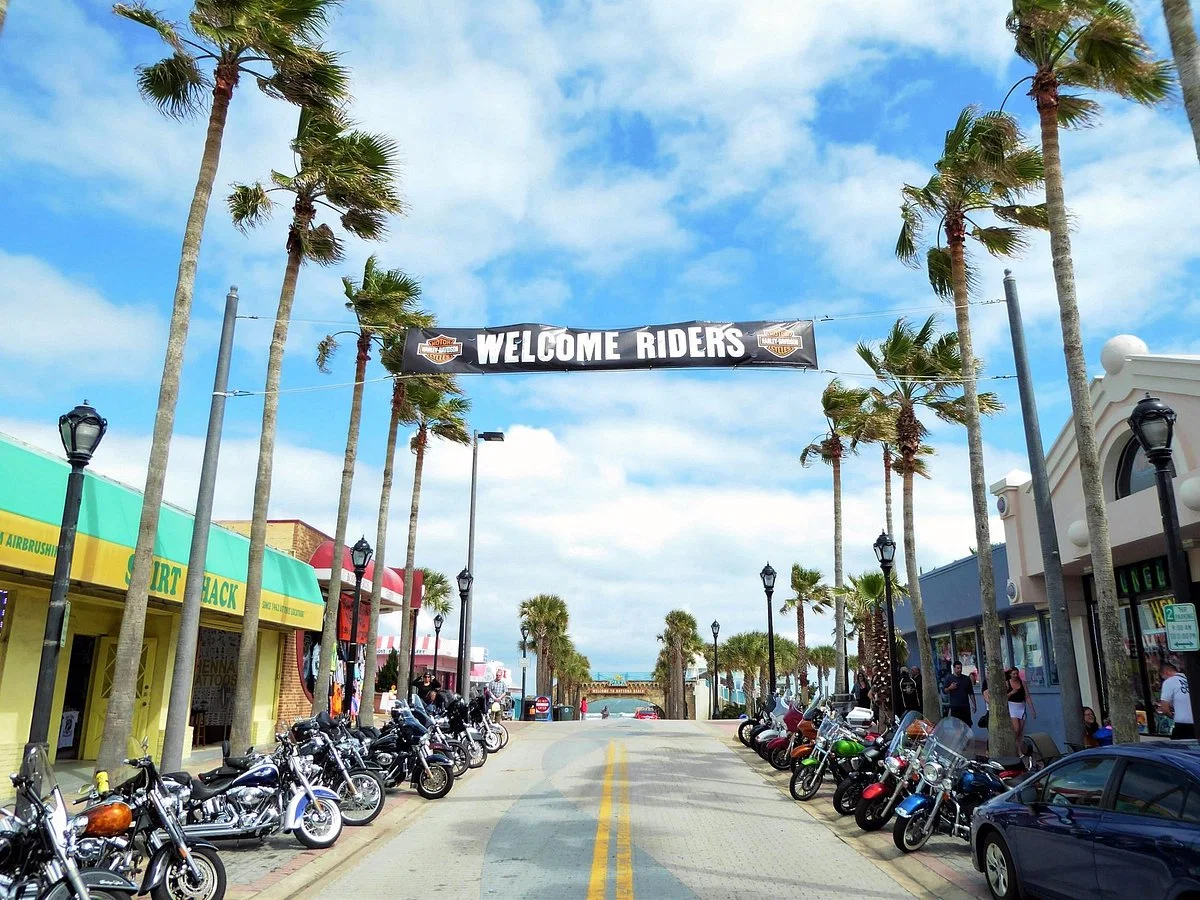
Downtown Daytona Beach, FL
Planning should stay tied to the room and event rules that actually apply.
Operational focus
Locations
The route, labor call, and closeout plan need one operating picture.
Next step
Coordinate early
The practical work starts by locking the venue, footprint, and support scope.
Downtown Daytona Beach sits along the Halifax River, west of the barrier island the resorts and Ocean Center occupy. It's a smaller, more civic footprint — City Hall, the riverfront parks, Beach Street's storefronts, and a run of cultural venues that host stage productions, receptions, and community events rather than large convention floors.
Trade show and exhibit work here looks different from the beachside corridor. Peabody Auditorium and the Daytona Beach Bandshell and Oceanfront Park Complex both sit close to downtown along the oceanfront edge, and they host stage-format programs, award shows, and outdoor events that still need booth, vendor-row, or lobby exhibit support even when the event isn't a traditional trade show.
This page covers how we run downtown Daytona Beach events: the venues actually in reach, the freight and access realities of a riverfront civic district, and how a downtown program connects to the larger Ocean Center convention floor a short drive east.
Execution priorities
- Plan around Peabody Auditorium and Bandshell stage logistics
- Route freight through downtown's civic-district access points
- Coordinate vendor-row and lobby exhibits for stage-format events
- Handle outdoor tent and booth setup for riverfront and park programs
- Bridge downtown programs into the Ocean Center convention floor nearby
Trade show work in downtown Daytona Beach
Downtown Daytona Beach isn't a convention-floor market the way Ocean Center is. The work here centers on Peabody Auditorium, the Daytona Beach Bandshell and Oceanfront Park Complex, and the riverfront civic core along Beach Street and City Island — venues built for stage productions, festivals, and public programs rather than trade show halls.
That means most downtown bookings are award ceremonies, association meetings with a vendor component, product launches staged for a theater setting, or outdoor festivals with a vendor row. Booth and exhibit work gets scaled to a lobby, a plaza, or a stage apron rather than a 200,000-square-foot hall.
Peabody Auditorium
Peabody Auditorium is a 2,545-seat theater on the oceanfront edge of downtown, built for concerts, stage productions, and award programs. Events booked here that need a trade show component typically run vendor tables in the lobby or foyer rather than a full exhibit floor.
Load-in at a theater runs on a different clock than a convention center — stage door access, fly-loft and rigging restrictions, and a house crew that coordinates anything touching the stage itself. We scope lobby and vendor-area production separately from anything that needs stage crew coordination. Parking and drop-off for a Peabody event also runs through the surrounding downtown streets rather than a dedicated lot, which we factor into the load-in schedule so vendor deliveries don't collide with guest arrival.
Daytona Beach Bandshell and Oceanfront Park Complex
The Bandshell and its adjoining oceanfront park handle outdoor festivals, concerts, and public programs, often with a vendor row running along the boardwalk or park pathways. Tent, table, and signage work here answers to weather planning and beach-access logistics rather than dock schedules.
Power distribution for an outdoor vendor row also runs differently than an indoor hall — generator or shore-power planning has to happen before vendors arrive, not during setup, since there's no building infrastructure to fall back on.
Beach Street and the riverfront civic core
Downtown's Beach Street corridor and the riverfront parks along the Halifax River host smaller community and business events — chamber programs, downtown festivals, product showcases tied to the district's revitalization push. These are typically compact footprints with street-level or park-level access rather than dedicated loading docks.
The Museum of Arts & Sciences sits a short drive inland on Nova Road and is the nearest cultural venue of scale beyond the immediate downtown core, useful for association meetings or receptions that want a museum setting rather than a hotel ballroom or civic hall. City Island, sitting between downtown and the beach across the Halifax River, also hosts smaller public gatherings on occasion, and any event using that space needs the same street-level freight planning as the rest of the civic core.
Freight and access in a civic district
Downtown doesn't have the drive-in dock capacity of Ocean Center or the service-elevator systems of the beachside hotels. Freight into a theater lobby, a park pavilion, or a Beach Street storefront event typically moves on hand trucks and small vehicles rather than tractor-trailer deliveries, and street parking and loading restrictions in the civic core need to be checked ahead of move-in.
For anything with real exhibit scale, we stage freight at a nearby warehouse and deliver on a scheduled window rather than trying to hold trailers on downtown streets, which keeps the load-in from tangling with city traffic and event parking.
Labor for stage and outdoor events
Labor coordination downtown splits between stage crew — governed by the venue's house rules at Peabody Auditorium — and general show labor for vendor rows, lobby exhibits, and outdoor tent setups. The two don't overlap much, and keeping that split clear during planning avoids confusion about who's authorized to touch what on show day.
Show-site supervision through an outdoor or theater event focuses less on dock-queue management and more on coordinating with venue staff, park permits, and weather contingencies that don't come up on a convention floor.
Graphics and production for smaller footprints
Booth and signage production for downtown events is usually scaled down from convention-hall work — lobby banners, vendor-table graphics, stage-adjacent signage — but still produced ahead of time and staged for a fast install rather than built on site.
AV needs for a Peabody Auditorium program run through the house sound and lighting system for anything touching the stage, with our production scope limited to lobby, vendor-area, or supplemental display needs that sit outside the house system.
Connecting downtown to the Ocean Center floor
Downtown sits a short drive from Ocean Center and the beachside resort corridor, and several clients run split programs — a downtown reception or awards night at Peabody Auditorium paired with a convention-floor show at Ocean Center during the same trip. Coordinating both under one team keeps the freight and labor plan aligned across venues.
That kind of split program is common for associations running an annual conference: general sessions and exhibit floor at Ocean Center, an opening reception or gala downtown at Peabody or along the riverfront.
Planning a downtown Daytona Beach event
Venue selection comes first — theater, park, or storefront — since each carries a different access and permit path. From there, freight staging, vendor coordination, and any stage-crew handoff at Peabody Auditorium get scoped against the venue's own deadlines.
Outdoor programs at the Bandshell add weather contingency planning to the timeline, and any downtown event needs a parking and load-in plan that accounts for the civic district's street-level access rather than dock infrastructure. Booking a downtown venue also means checking the city's own event and street-closure calendar early, since Beach Street and the riverfront parks host public festivals throughout the year that can affect parking and delivery access on a given date.
Frequently asked questions
What venues does Trade Show Services of Daytona cover in downtown Daytona Beach?
Downtown work centers on Peabody Auditorium and the Daytona Beach Bandshell and Oceanfront Park Complex, along with smaller Beach Street and riverfront civic events. Ocean Center's convention floor sits a short drive east for larger exhibit-scale programs.
Can you handle a vendor row for an outdoor festival at the Bandshell?
Yes. Outdoor vendor rows at the Bandshell and Oceanfront Park run on tent, table, and signage production with generator or shore-power planning done ahead of time, since there's no building infrastructure on the boardwalk to draw from.
Does a Peabody Auditorium event need convention-floor freight logistics?
No. Peabody Auditorium events typically run lobby or foyer vendor tables rather than a full exhibit floor, and freight moves through the theater's own loading and stage-door access rather than a convention-center dock queue.
Can you coordinate a downtown reception alongside an Ocean Center trade show?
Yes, this is a common request from associations running an annual conference — general sessions and the exhibit floor at Ocean Center, an opening reception or awards night downtown at Peabody Auditorium or along the riverfront.
How does freight move into a downtown storefront or park event?
Downtown doesn't have drive-in dock capacity, so freight for storefront, park, or civic-core events typically stages at a nearby warehouse and delivers on a scheduled window using hand trucks or small vehicles rather than trailer deliveries.
Is the Museum of Arts & Sciences considered part of downtown Daytona Beach?
It sits a short drive inland on Nova Road, just outside the immediate downtown core, and is the nearest venue of scale for a museum-setting reception or association meeting beyond Beach Street and the riverfront.